
What comes after DEI
When the programs are gone and the commitments dissolved, the work doesn't end. It gets real.
2020 was a moment, and then there was backsliding, “diversity fatigue,” and social and political calamity. Where do we go from here?
What happened to DEI, and why it matters
When public and institutional support for “DEI” began to wane, many people considered this an excuse to walk back their commitments. For many, the proclamations were not based in actual values, but performative posture. Many would-be allies complained of “diversity fatigue,” and sought to change the subject. Many BIPOC* women (and people in general), having seen this pattern of disinvestment before, decided they had had enough with white people, period. All of this leaves us in a state of three-way fracture, where old discriminations become new again, and rights and dignity are suddenly dispensable. The status quo is stalling, and in many cases, it’s slipping backwards.
This three-way breakage is between institutions and their stated values, between people who want solidarity and need a practice to sustain it, and between communities that need to come together across difference and collaborate for positive change, right now. Just a few data points indicate the stark inequities: roughly 600,000 Black professional women were pushed out of the U.S. workforce over the past year and a half; Black women’s maternal mortality sits at more than three times the rate of white women; Black households hold less than 5% of U.S. wealth. We reside in an unequal, unfair society, and those who wish to help change the status quo have found themselves distanced, disillusioned, and discouraged.
To be clear: racism is the foundational lever but not the only one, sexism, classism, xenophobia, ableism, the isms are many and they are what keep us separated. When institutions and systems fail women of color without consequence, standards of protection become conditional. Eventually, these conditions come for all women, and all of us.

*About “BIPOC”: we know the acronym is evolving and can feel reductive and misaligned for many. We use it here as a familiar shorthand.
What this practice is instead
A program needs a budget, a sponsor, and a quarterly slot on the all-hands meeting agenda. A practice just needs your willingness and commitment. The Brave Sis Project Solidarity Lab is a framework or an approach you put into your own life, your relationships, your leadership, your community, your influence. You don’t need a DEI office to do this work, and you don’t need anyone’s permission to broaden your mindset.
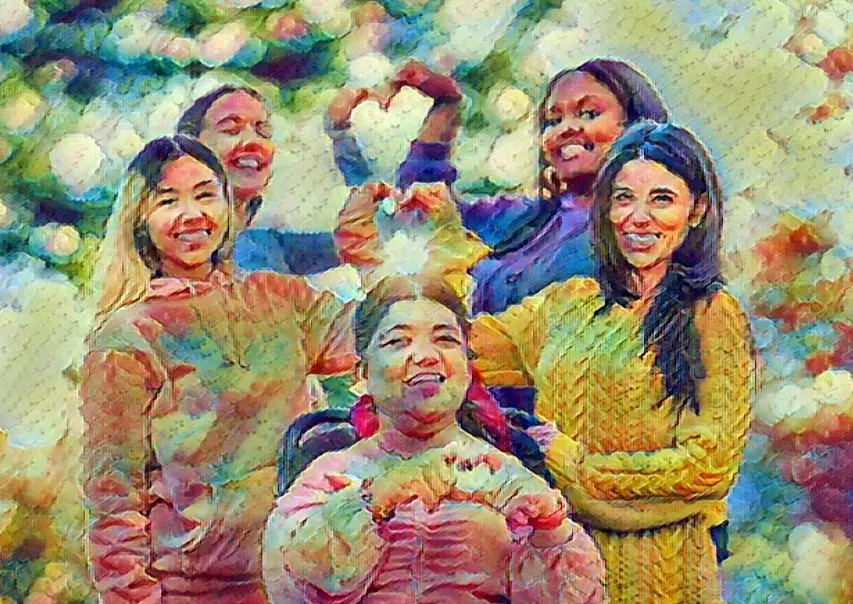
Women who did the work because they had to
Many of the Foremothers we celebrate changed their world without budget lines or policy proclamations, and they did it under possibly worse restraints than we know today. They are our inspiration and our guide.
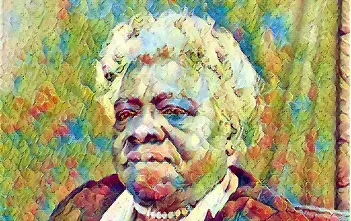
Mary McLeod Bethune
Opened a school for Black girls in Daytona Beach, Florida, in 1904, with $1.50 and conviction. It became Bethune-Cookman University, one of the most prestigious HBCUs in the country. Her girls deserved more, and so she built it.
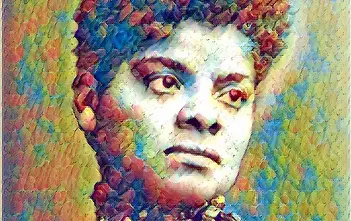
Ida B. Wells
was a journalist and organizer who risked life and limb to expose lynching and challenge the civic lie that racial terror was justice. Her work reminds us how important it is to tell the truth and expose crimes against humanity.
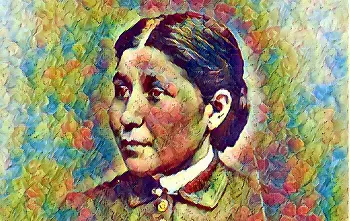
Susan La Flesche Picotte
was the first Native American woman to earn a medical degree, an Omaha physician who built clinical care for her community in the face of federal neglect and broken treaty promises. Her legacy shows us that when communities are resourced, we not only stay alive, we can thrive.
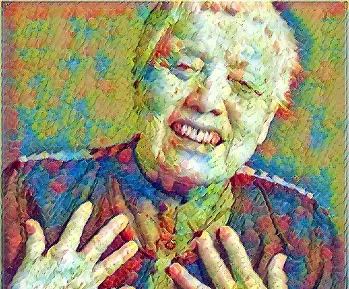
Grace Lee Boggs
was a Chinese American philosopher, activist, and organizer who spent more than seven decades building community power in Detroit. She showed us that revolution is not a one-off event but is a practice, grown block by block, relationship by relationship, in the place where you actually live. And it can have global impact!
There are dozens, hundreds more to celebrate and emulate!
Questions about the Solidarity and Unity Praxis
DEI is gone and I don't know what comes next. Is this just another equity program?
No, and that distinction matters. Most equity programs were compliance-driven, dependent on institutional will, and built to satisfy organizational liability. When that will disappeared, the work disappeared with it. Solidarity and Unity Praxis is built to outlast any organizational moment. It is grounded in the SAIN et SAUF framework, Sustainable, Authentic, Inclusive, Nurturing, Solidarity and Unity, designed to be practiced in your life, your relationships, and your sphere of influence, with or without institutional permission. You don’t need a DEI office to do this work. You need a methodology, and you need encouragement.
What makes Brave Sis Project different from other equity or leadership programs?
In a word, the Foremothers. Brave Sis Project supplements these resources with a living archive of women to inspire us, Black women, Indigenous women, women of color across cultures and centuries who navigated impossible conditions and built something that changed the world, and their stories are not illustrations or decorations, they are the curriculum. The SAIN et SAUF methodology was developed by studying what they actually did: how they led, how they built coalitions, how they repaired relationships, how they sustained joy alongside struggle. When you learn here, you are learning from a tradition, not a trend, and that is what makes the practice transferable and what makes it last.
Am I welcome here?
Fully. Brave Sis Project was built for coalition, not separation. Anyone genuinely committed to equity, not as a brand or a performance, but as a practice, belongs here. What is asked of everyone is humility, consistency, and a willingness to follow as often as you lead.
What's the difference between being an ally and practicing solidarity?
Allyship cannot be claimed. It can only be conferred, by the people you show up for, not by the identity you adopt. No one gets to decide they are an ally. That is not a title you earn once and keep. It is a verdict others reach about you, based on what you do over time, under pressure, when it costs something. Solidarity is the practice
that makes that verdict possible. It requires shared risk, shared credit, and shared accountability, not a declaration, but a track record. The question is never “am I an ally?” The question is: what did I do, and how did my actions help or hinder?
I've attended, and maybe even led, trainings on this. Why hasn't it stuck?
Because training is a one-time event and culture is a daily practice. Most DEI training was designed to reduce organizational liability, not to change how people think, relate, and act over time. If you’ve led trainings yourself, you may already know this, that the room shifts for an hour and then the organization goes back to what it was. Solidarity and Unity Praxis asks something different: not that you complete a module, but that you build a practice sustainable enough to survive discomfort, setbacks, and the absence of external incentives.
What does "decentering whiteness" actually mean in practice?
It means questioning the assumption that white experience, white comfort, white timelines, and white leadership are the default, the standard everything else is measured against. In practice: listening before advising, following before leading, funding without controlling, and staying in the room when the conversation stops being comfortable. It is not about self-erasure. It is about making more room.
What if I cause harm while trying to help?
Relax: you probably will at some point, and that’s part of being human. That is not a reason to stay on the sidelines, it is a reason to build relationships sturdy enough to hold repair. The goal is not perfect performance. It is accountable practice: showing up consistently, naming harm when you cause it, and not requiring others to manage your feelings about your own mistakes. The Foremothers made mistakes. They kept working.
What role does joy play in this?
Joy is not incidental to this work, it is evidence that the work is real. The Foremothers celebrated. They sang, they organized, they built institutions that were also communities. Cultural competence that is genuinely generous, not extractive, not exoticizing, makes room for pleasure, creativity, and delight. If your practice of solidarity feels only like obligation, it will not last.
How is this different from charity or philanthropy?
Charity positions one group as giver and another as recipient. Solidarity is peerage, shared agency, shared accountability, shared protection. The difference shows up in who sets the agenda, who gets credit, who controls the narrative, and whether the “support” comes with strings. If any involvement requires deference, silence, or gratitude in exchange for access, it is not solidarity. Real partnership can survive disagreement.
Where do I start?
With Brave Awareness, a self-paced course built on the SAIN et SAUF methodology, taught through the stories of Black foremothers and other women of color who practiced solidarity across difference under conditions far harder than these. $149, ten lessons, lifetime access. You don’t need to have done anything before. You need to be willing to begin.
I'm a woman of color. Is Brave Awareness going to ask me to educate everyone else in the room?
No. Brave Awareness is not a space where women of color are expected to perform their pain, explain their existence, or carry the emotional labor of other people’s learning. The curriculum is built on Foremother wisdom, the teaching comes from the tradition, not from you personally. You are here to deepen your own practice, reclaim a legacy that belongs to you, and find community with others doing the same. What you bring is yours to share on your own terms, or not at all.
I've been doing this work for years. Will Brave Awareness have anything new to offer me?
Possibly, and that depends on what “doing this work” has meant for you. If it has meant educating others, absorbing harm, and carrying the labor of institutional change without reciprocity, then what Brave Awareness offers may be less about new information and more about restoration. The SAIN et SAUF framework was built to be sustainable, meaning it was built with you in mind, not just the people who need to catch up. Many experienced practitioners find that naming the methodology gives them language for what they have always known, and community practicing alongside them.
"I am not free while any woman is unfree, even when her shackles are very different from my own."
The iconic Audre Lorde’s words remind us what solidarity is all about.