
For far too many travelers, foreign trips become an excuse for hedonism and egotism, treating locals like bit players in an exotic fantasy. I’m not against tourism—many people work hard, save diligently, and endure grueling flights for a brief escape.
But in light of what we’ve discussed about exoticism, stereotyping, power, and privilege, it’s worth reimagining vacation as less “White Lotus” entitlement and more a learning journey grounded in humility, gentleness, and respect.
This isn’t just about Americans. I’ve seen plenty of questionable behavior from Brits, French folks, Aussies, and Kiwis; globalism and cultural superiority are now widespread, and tourism’s economic pressures push many locals to endure the unpleasant onslaught of visitors.
Yet the bad reputation precedes us, and some countries are striking back against the obnoxious onslaught.

At the same time, Black and Brown Americans often face discrimination when traveling abroad, just as at home, and many of us avoid certain countries altogether because of real safety concerns. Travel writers may try to soften or joke about these realities, but savvy Black travelers know to research destinations carefully, share intel, and stay vigilant.
Happily, many new travel opportunities are allowing People of Color as well as LGBTQIA+ travelers to live their best life. Check out Go Back to Africa and its goal of normalizing aspirational Black travel to the Continent through story and imagery. Other platforms and agencies are also providing culturally supportive and safe opportunities, particularly travel clubs for Black women, where tourists can build friendships while enjoying cultural excursions without feeling isolated or gawked at. This discomfiting experience is also familiar to many Latinx tourists, too.
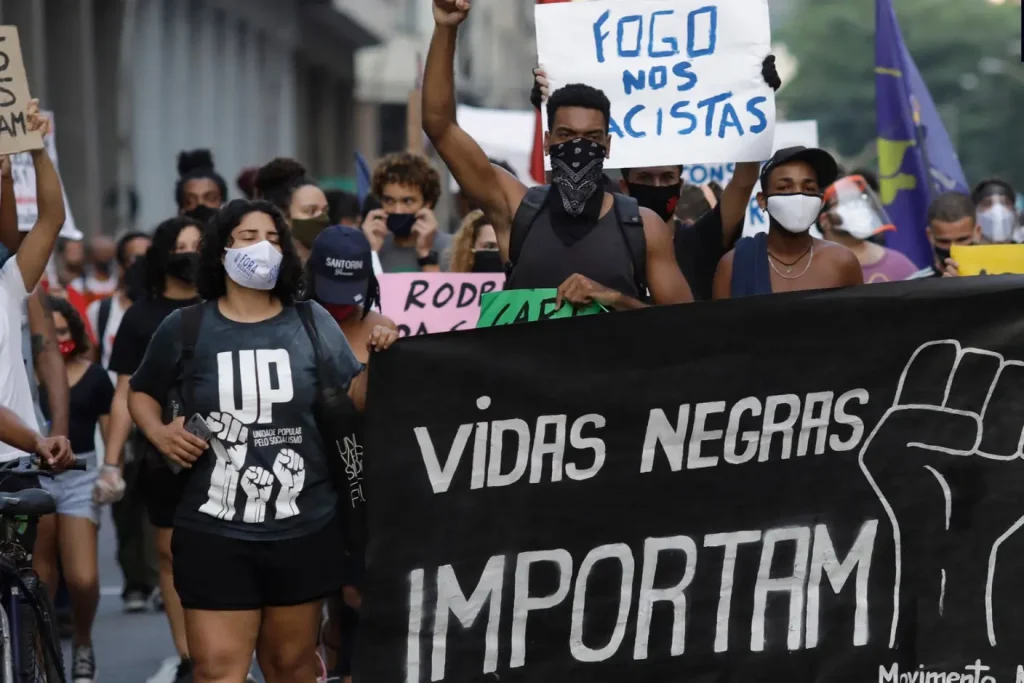
It’s complicated, especially given how entrenched racism and colorism remain in parts of Latin America and elsewhere. These regions are grappling with their own colonial legacies, immigration anxieties, and xenophobia, which can shape how Black visitors are perceived on sight. My own experiences abroad range from deep belonging and friendship to being called the local equivalent of “little Blackie”—sometimes in the very same countries. Often people are reacting less to who we are and more to their own internalized narratives and fears.
In the end, travel, exoticism, and cultural appropriation can collide in both expansive, empathy-building ways and deeply discomfiting ones. Awareness and intentionality are essential tools for anyone committed to allyship and justice.

P.S. There’s a parallel between how some tourists exploit local people and how they treat animals. One example: certain Costa Rican tours have allowed visitors to hold sloths, doing serious harm to their senses, habitat, and survival prospects. For their sake, it’s far better to admire these beings from a respectful distance